


Every skin in your inventory got there by one of a few roads. It came out of a case, it dropped after a match, it came out of a Souvenir package, or someone built it in a trade-up contract. Which road matters, because it decides how many copies exist and how many more will ever exist.
Weapon cases
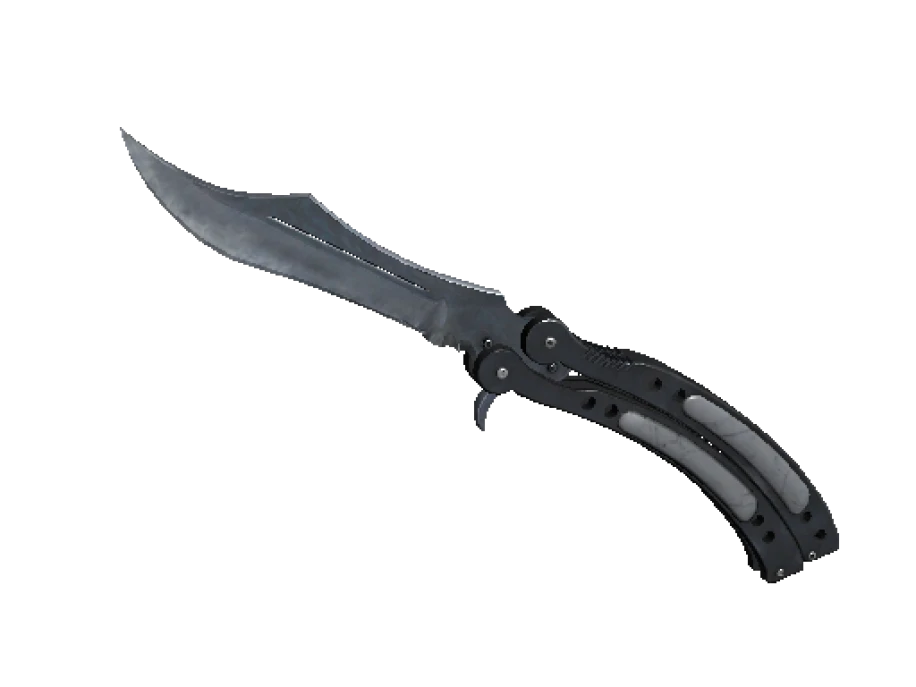
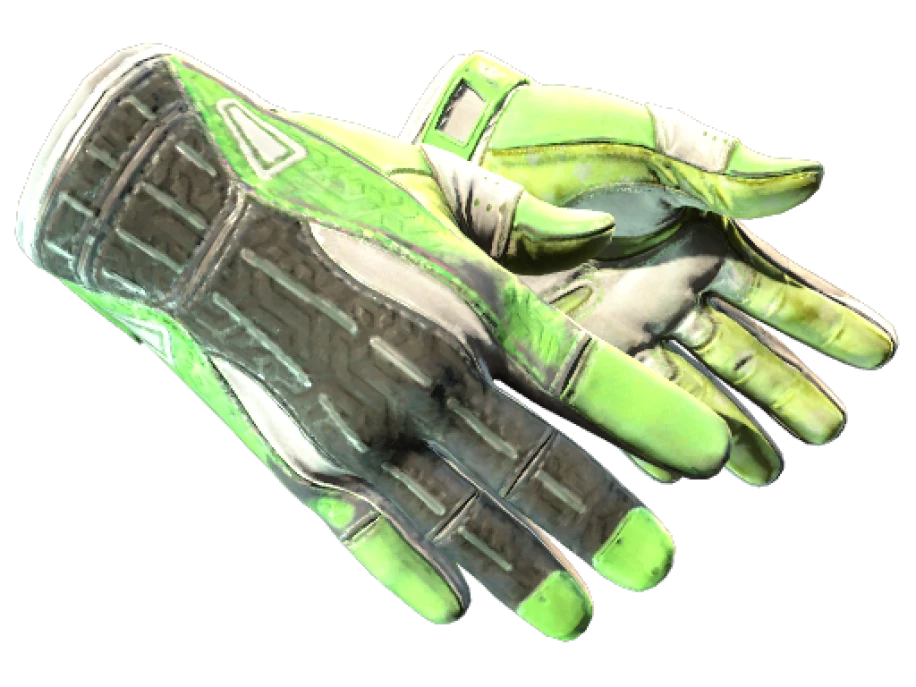
A weapon case is a container with a fixed list of skins inside: a set of Mil-Spec, Restricted, Classified and Covert finishes, plus the Rare Special Item, which is the knife or glove pool for that case. Cases drop after matches and trade freely, so an active case is cheap. Opening one takes a key from the in-game store, and keys bought today cannot be traded or sold on the Market.
Case skins have two things collection skins never have. They can be StatTrak. And they share their case with knives and gloves. If a finish has a StatTrak version, it came from a case.
A word on opening. Opening a case is a lottery with the key as the ticket. The common outcome is a blue skin worth less than the key. If you want a specific skin, buying that skin is the direct route. This guide is about where skins come from, not a suggestion to go and pull the lever.
Map collections and weekly drops
Collections are sets of skins tied to a map, like the Mirage, Inferno, Nuke, Overpass, Cobblestone or Dust II collections, or to a theme, like Gods and Monsters. They enter the game in two ways. They drop after matches as part of the weekly drop pool, and they come out of Souvenir packages from Majors, with gold stickers attached.
Collection skins run from Consumer Grade at the bottom to Covert at the top, though some collections never reach Covert. They are never StatTrak. Those from maps played at a Major can be Souvenir. The AWP | Dragon Lore, the M4A1-S | Knight and the AWP | Medusa are all collection skins, which is why none of them has a StatTrak version.
Some collections came with an operation and dropped only to players who held the operation pass, or only while the operation ran. Others were added to the weekly drop pool for a limited time and then removed. When Valve rotates a collection out of the drop pool, its supply stops. What exists is what there is, with one exception.
Why collection skins get scarce
The exception is the trade-up contract. Ten skins of one tier from a collection can become one skin of the next tier from that collection. So a Covert in a retired collection is still being made, slowly, from its Classifieds. But every contract burns ten items to make one, and the tier at the very bottom has nothing below it to feed from.
Play that forward. A retired collection loses ten Consumer Grade skins for every Industrial Grade it makes, ten of those for every Mil-Spec, and so on. The base shrinks, the middle shrinks, and the top grows only as fast as people are willing to burn the middle. Over years the whole collection gets thin, and prices at every tier climb.
This is the pattern behind the Cobblestone, Cache, Gods and Monsters and Rising Sun prices. Nothing about the finishes changed. The pipe that fed them closed.
Cases stop too, but slower
Cases also leave the active drop pool. An old case still exists in inventories and on the Market, and anyone can buy one and a key and open it, so an old case finish has supply for as long as unopened cases remain. But the case gets more expensive as that stock falls, opening one gets less attractive, and the flow slows to a trickle. A Covert from a case that dropped years ago is scarce in practice, not scarce by rule.
How to tell a collection skin from a case skin
| Check | Case skin | Collection skin |
|---|---|---|
| StatTrak version exists | Yes | No |
| Souvenir version exists | No | Yes, if the map was played at a Major |
| White and light blue tiers in the set | Never | Usually |
| Knives or gloves in the same set | Yes, as the Rare Special Item | No |
| Name of the set in the item description | Named after the case | Named after a map, an operation or a theme |
The quickest check is the description. In the game and on the Steam Market, every skin lists the set it belongs to. A case skin names its case. A collection skin names its map or theme. The float checker sites show the same field next to the float and the pattern.
Trade-ups, briefly
A trade-up output is a real skin from the case or collection of its inputs, and nothing marks it as different from a dropped one. Its float is scaled from the average of the inputs, its pattern is random, and if the inputs were StatTrak so is the output. When you buy a low-float copy of a finish that rarely drops clean, you are most likely buying a trade-up result, and that is fine.
Why any of this matters when you buy
- A skin from a retired collection is priced on scarcity as much as on looks. Expect it to hold value differently from a case skin of the same tier.
- A skin from an active case gets cheaper while the case is being opened. Check whether the case is still dropping before you decide a price is a bargain.
- A Souvenir listing is a collection skin with a fixed supply of its own. Read the stickers.
- Nothing about the source changes float, pattern or wear. Check those the same way regardless.
Prices on PrefireSkins are in EUR, and each lot shows its exterior and, where known, its float from inspect data. Where the skin came from is the other half of the story, and now you can read it from the description.