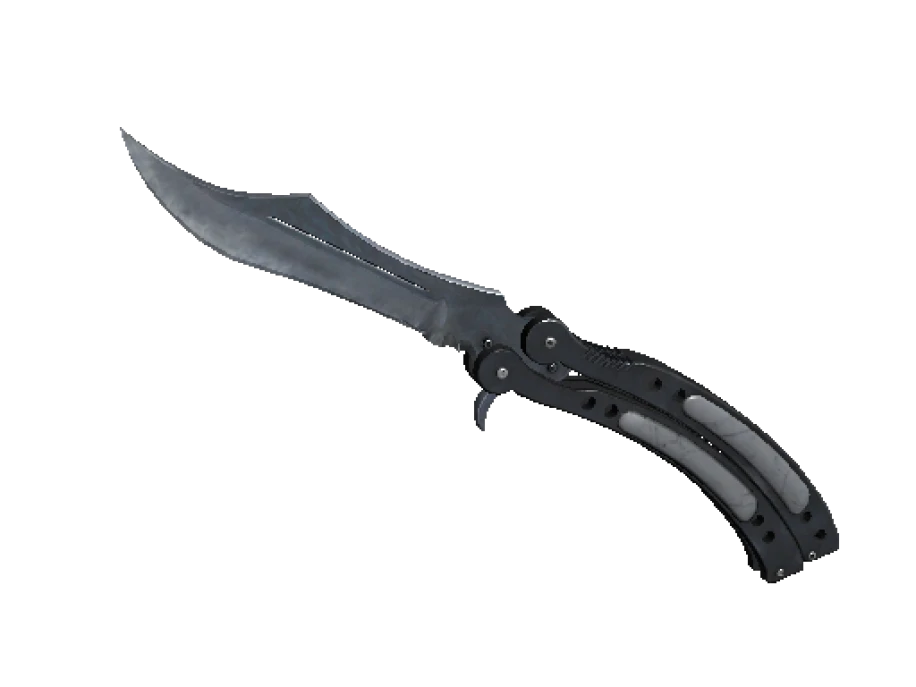





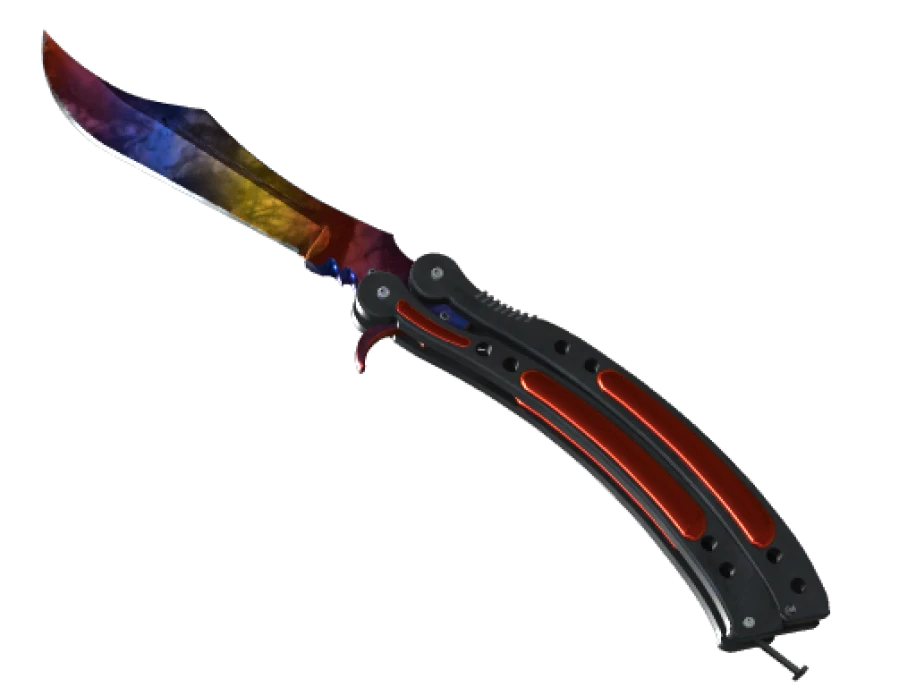
Every finish has a float range set by its designer. Most people assume that range is 0 to 1. Often it is not. When a finish starts high, the clean wear ratings never exist. When it stops low, the worn ones never exist. Either way the usual pricing logic flips, and buyers who do not know the range pay for the wrong thing.
How a cap works
When an item is created, the game rolls a wear value and scales it into the finish’s own range. A finish with a range of 0.18 to 1.00 cannot produce anything below 0.18. A finish with a range of 0.00 to 0.08 cannot produce anything above 0.08. The wear label is then applied to the number using the same five bands as every other skin, which is where the confusion starts.
The bands do not move. Factory New is still 0.00 to 0.07, Minimal Wear 0.07 to 0.15, Field-Tested 0.15 to 0.38, Well-Worn 0.38 to 0.45 and Battle-Scarred 0.45 to 1.00. If a finish starts at 0.18, its cleanest possible copy sits in Field-Tested. Nobody will ever list a Factory New one, because the game cannot make it.
Raised minimums
These are the finishes where the top of the range is missing.
- AWP | Asiimov runs from 0.18 to 1.00. There is no Factory New or Minimal Wear copy. A Field-Tested Asiimov at 0.18 is the cleanest one that exists.
- M4A4 | Asiimov runs from 0.10 to 1.00. The best copy is a Minimal Wear at the bottom of its band, and no Factory New exists.
- AK-47 | Redline runs from 0.10 to 0.70. Minimal Wear is the top of the ladder, and the finish has a lowered maximum as well.
On these skins the first wear label in the range takes over the Factory New role. A Field-Tested Asiimov at 0.18 prices far above a Field-Tested Asiimov at 0.37, even though both share a label. A low-float Field-Tested is the flagship copy here, not a compromise.
Lowered maximums
Here the bottom of the range is missing.
- Glock-18 | Fade tops out at 0.08. Nearly every copy is Factory New, and the few Minimal Wear ones sit right at the border.
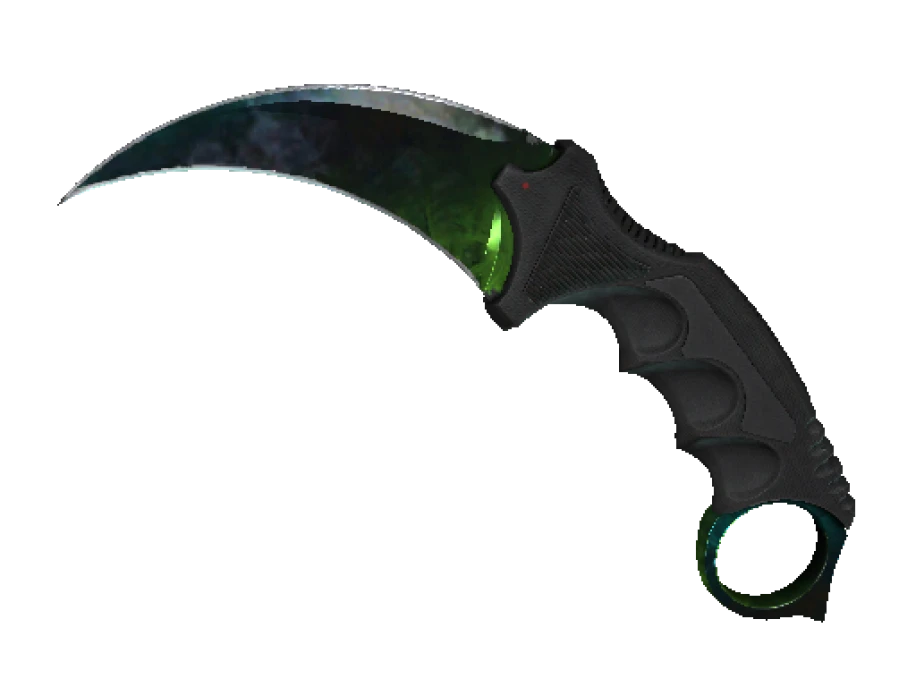
- Doppler and Gamma Doppler on every knife run from 0.00 to 0.08. Same story: Factory New and a thin slice of Minimal Wear.
- Marble Fade, Tiger Tooth and the knife Fades share that 0.00 to 0.08 ceiling.
- Desert Eagle | Blaze stops at 0.08 as well. There is no Field-Tested Blaze.
- Slaughter runs from 0.01 to 0.26. Field-Tested is the worst it gets, and even that is a lightly scratched blade.
- The older knife finishes, Crimson Web, Night, Ultraviolet, Stained, Boreal Forest, Safari Mesh and the rest of that set, run from 0.06 to 0.80. No Battle-Scarred beyond 0.80, and no Factory New below 0.06.
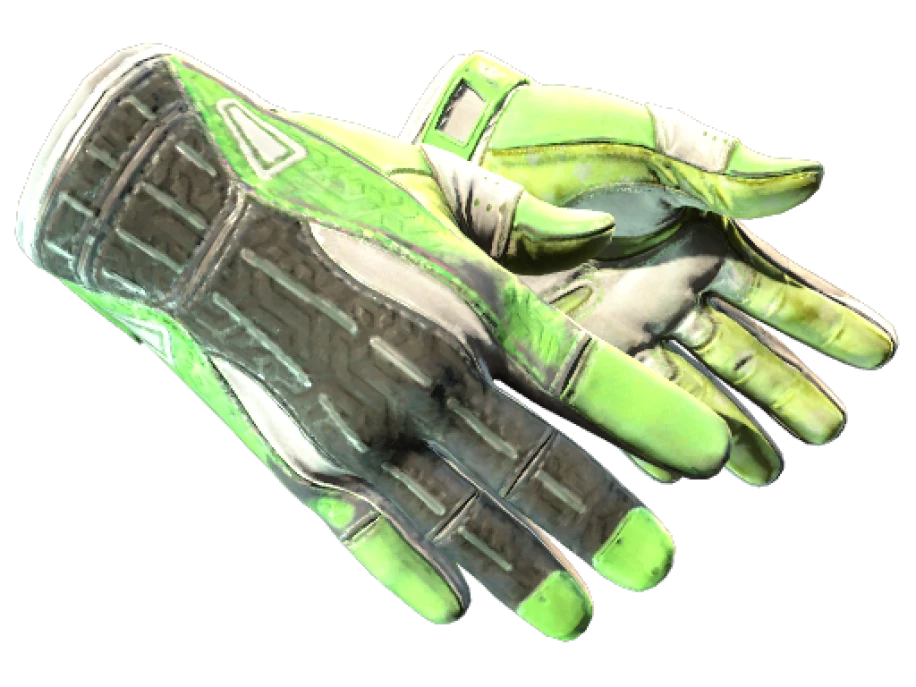
Gloves follow the 0.06 to 0.80 rule too. A Factory New pair is a narrow window between 0.06 and 0.07.
How it flips the pricing
| Skin | Range | Best label that exists | Worst label that exists |
|---|---|---|---|
| AWP | Asiimov | 0.18 to 1.00 | Field-Tested | Battle-Scarred |
| M4A4 | Asiimov | 0.10 to 1.00 | Minimal Wear | Battle-Scarred |
| AK-47 | Redline | 0.10 to 0.70 | Minimal Wear | Battle-Scarred |
| Glock-18 | Fade | 0.00 to 0.08 | Factory New | Minimal Wear |
| Karambit | Doppler | 0.00 to 0.08 | Factory New | Minimal Wear |
| Knife Slaughter | 0.01 to 0.26 | Factory New | Field-Tested |
| Knife Crimson Web | 0.06 to 0.80 | Factory New | Battle-Scarred |
Two things follow. On a raised minimum, the lowest available label is the premium copy. On a lowered maximum, the highest available label is the budget copy, and it can be a good one. A Minimal Wear Glock Fade just past 0.07 looks nearly identical to a Factory New just under it, and it costs less because the word changed.
The opposite trap is the Minimal Wear Doppler. Buyers see Minimal Wear and think mid-range. On a finish that ends at 0.08, Minimal Wear is the bottom, and on a blade that reflective the edge scratches are easy to see.
Trade-ups respect the cap
A trade-up takes ten inputs and produces one output. The output’s float is the average wear of the inputs, measured as a position within each input’s own range, then mapped into the output’s range. Ten inputs at the very bottom of their ranges give an output at the very bottom of its range, and no lower. This is why people craft Asiimovs with Factory New inputs: they are chasing 0.18, the best the finish allows, not a Factory New that cannot exist.
How to check a range
- Look the finish up before you compare labels. Float checker sites and skin databases list the minimum and maximum for every finish.
- Place the exact float within that range, not within 0 to 1. A 0.20 on a finish that starts at 0.18 is near the top. A 0.20 on a finish that starts at 0.00 is ordinary.
- Check which labels exist at all. If a listing offers a wear the finish cannot produce, the listing is wrong.
- Price the copy against other copies of the same finish, not against the same label on a different skin.
Compare ranges before you compare labels. A wear label only means something inside the range of that finish.
Every lot on PrefireSkins shows its exterior and, where known, its float from inspect data. For a capped finish that number is the whole story. Read it against the range, and a Field-Tested price on the best copy in existence stops looking odd.