




Every CS2 skin carries a number between 0 and 1. That number is the float value, and it decides how worn the skin looks. The wear rating in the item name, Factory New, Field-Tested and so on, is just a label placed over that number.
The float is set the moment the item is created, whether it drops after a match, comes out of a case or comes out of a trade-up. It never changes after that. Using the skin in games does not scratch it, and there is no way to clean it.
The five wear ratings
Valve cuts the 0 to 1 range into five bands. The bands are not equal in size, which is the first thing most people get wrong.
| Wear rating | Float range |
|---|---|
| Factory New (FN) | 0.00 to 0.07 |
| Minimal Wear (MW) | 0.07 to 0.15 |
| Field-Tested (FT) | 0.15 to 0.38 |
| Well-Worn (WW) | 0.38 to 0.45 |
| Battle-Scarred (BS) | 0.45 to 1.00 |
Field-Tested covers almost a quarter of the whole scale. Battle-Scarred covers more than half. Factory New is a thin slice at the bottom. So a Field-Tested label tells you far less about the actual condition than a Factory New label does.
Why two MW skins look different
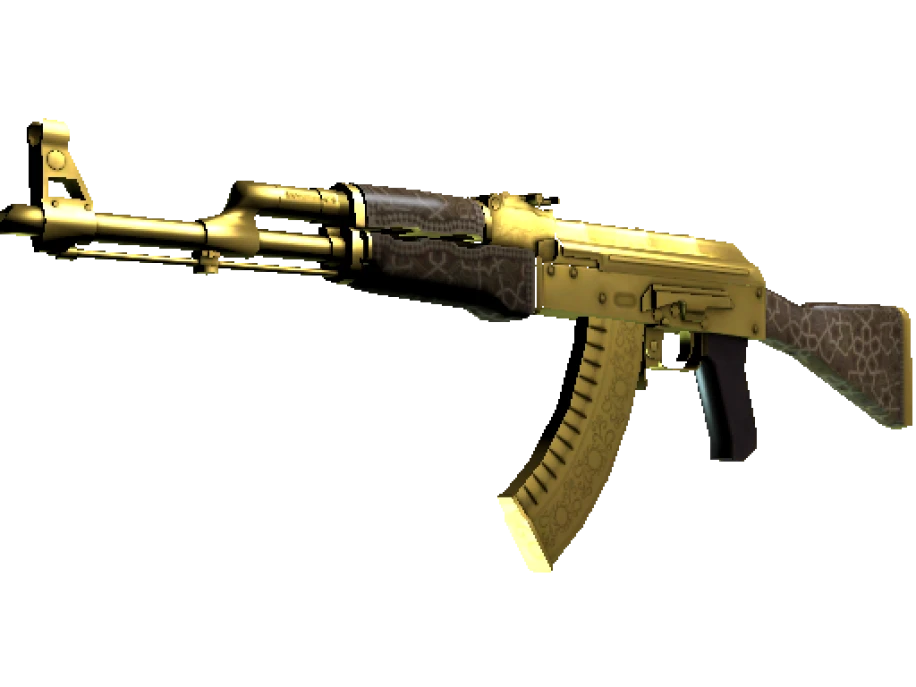
Take two AK-47 | Redline skins, both Minimal Wear. One has a float of 0.071. The other is 0.149. Same label, but the second one carries roughly twice the scratching of the first.
The game does not render the label. It renders the number. Wear is painted onto the skin in proportion to the float, so a 0.149 sits much closer to a Field-Tested copy than to a fresh one.
There is a second reason. Each skin has its own wear mask, which decides where the scratches show up first. Some finishes wear at the edges and leave the body clean. Others fade across the whole surface. A 0.12 Redline and a 0.12 Asiimov share a float, but they do not look equally worn.
Min and max float
Not every skin uses the whole 0 to 1 range. Many finishes have a floor and a ceiling baked in, and those limits decide which wear ratings can exist at all.
- AWP | Asiimov has a minimum float of 0.18. There is no Factory New or Minimal Wear Asiimov, and there never will be.
- AK-47 | Redline runs from 0.10 to 0.70. No Factory New Redline exists.
- Glock-18 | Fade tops out at 0.08. Nearly every Fade is Factory New, and the few Minimal Wear copies sit right at the border.
This matters when you compare prices. A Field-Tested Asiimov at 0.18 is the cleanest that skin gets, and it prices like it. A Field-Tested Redline at 0.18 is an ordinary mid-range copy.
Trade-ups follow the same logic. The output skin takes its float from the average of the inputs, scaled to the output’s own range. That is how people craft low-float versions of skins that rarely drop clean.
How to check a float
The quickest way is in the game. Open your inventory in CS2 and inspect the item. The wear panel shows the exact number, not just the label.
For an item you do not own, use the inspect link. Every listing on the Steam Community Market and every trade offer has one. Paste it into one of the common float checker sites and you get the float, the pattern index and a full-size render.
On PrefireSkins every listing is one specific item, not a wear bucket. You are buying that exact copy, so its float is part of what you pay for.
Why float moves the price
Within a single wear rating, lower float almost always costs more. The gap is small in the middle of a band and grows fast at the edges.
- Floats just under a border, like 0.069 or 0.149, sell close to the normal price for their band.
- Floats just over a border, like 0.071, sell as the higher wear and can cost a lot more for a difference nobody can see.
- Very low floats, 0.01 and below, carry a premium for the number alone. Collectors hunt them and pay for the digits.
- Very high floats have their own crowd. A Battle-Scarred skin at 0.99 or above is rarer than one at 0.50 and can be worth more, especially on finishes where heavy wear turns the whole skin dark.
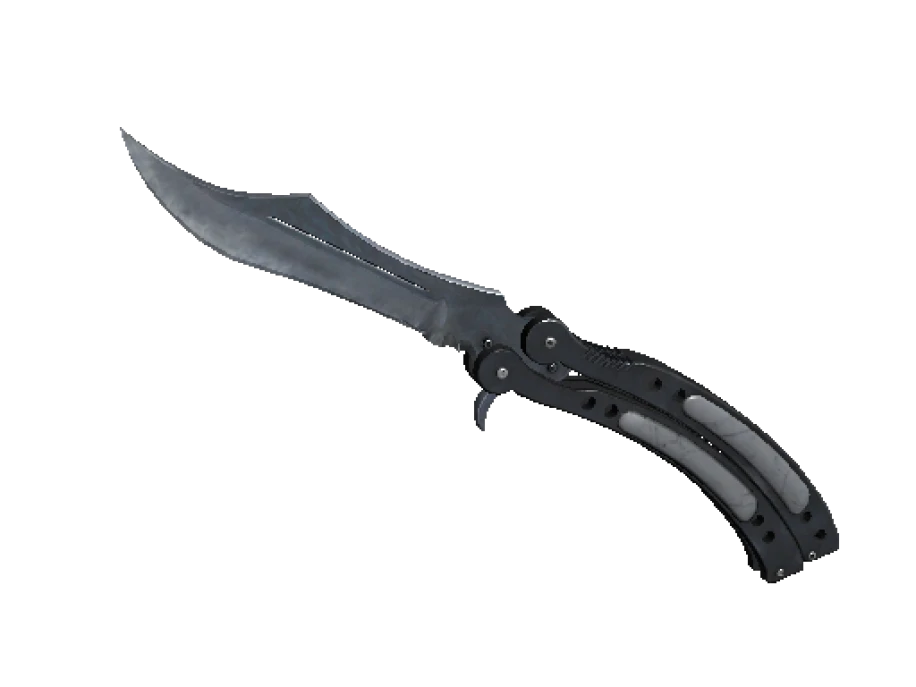
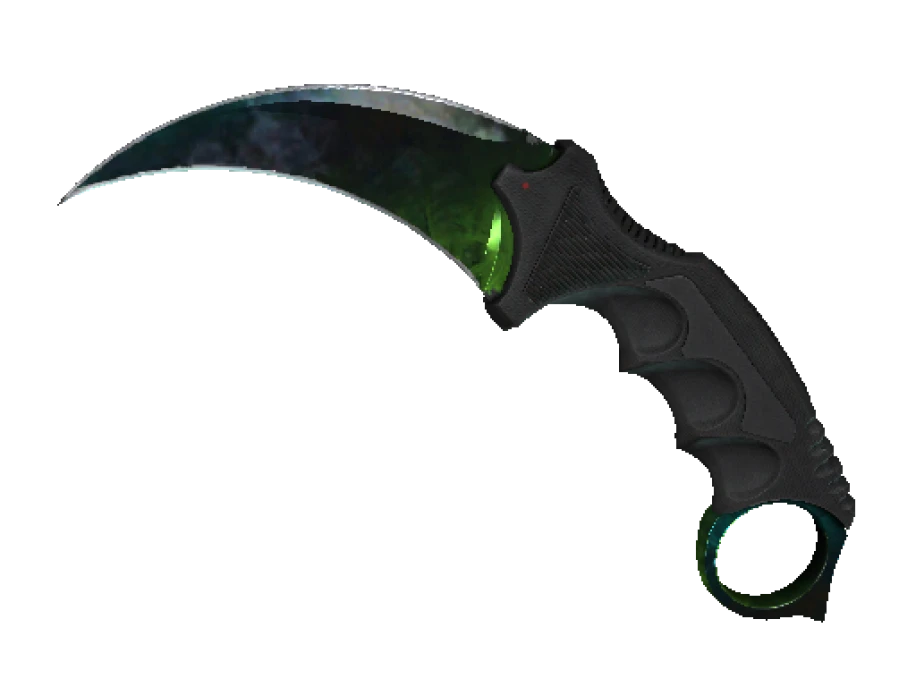
Knives and gloves push this further. Wear on a knife shows on the blade edge and the tip, right where you look at it in first person. A Factory New knife at 0.01 and one at 0.06 can be priced far apart even though both carry the same label.
Gloves are the extreme case
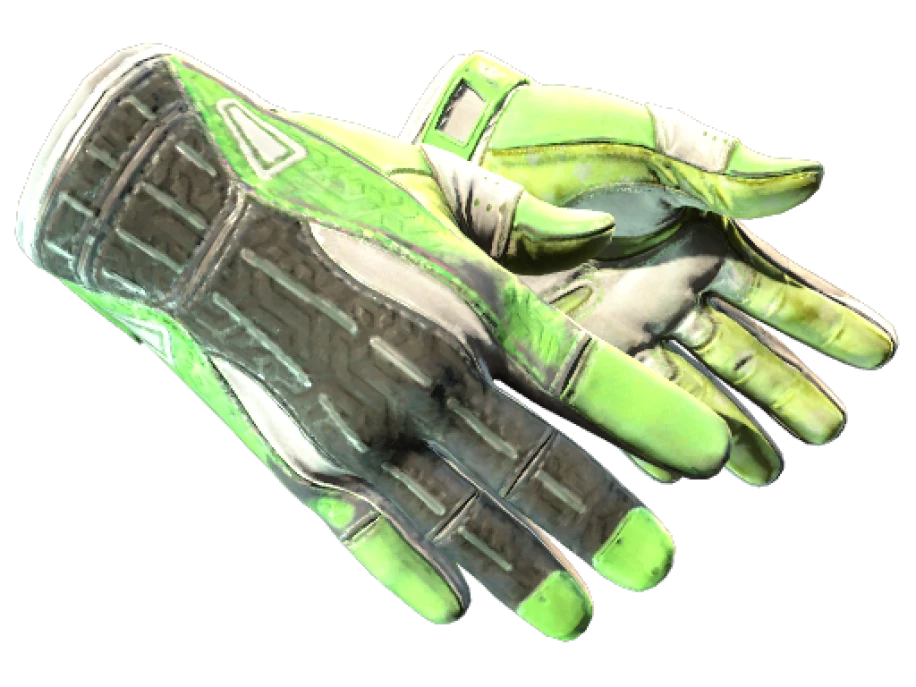
Gloves wear faster to the eye than anything else in the game. The texture stretches over knuckles and seams, and even a mid Minimal Wear pair shows worn leather and faded print. On gloves, a Field-Tested label covers everything from slightly used to badly beaten, so the exact float is worth more attention than usual.
Before you buy
- Check the skin’s float range first. Know whether the wear rating you see is the best available or an ordinary one.
- Read the exact float, not the label. Two copies with the same label can be a long way apart.
- Open the inspect image and look at the parts you actually see in first person. Some finishes hide wear well, others do not.
- Decide what the float is worth to you. A 0.14 Minimal Wear at a discount is a fair deal if the render looks fine. A 0.001 at a premium is a fair deal if you care about the number.
The label is a shortcut. The number is the truth. Once you get used to reading floats, most of the odd price gaps on the market start to make sense.